

On February 24, 2024, the university psychologist, Nizamudin Mukhabbat Armanovna, held an informational and preventive meeting with students on the topic: «From control to violence: how destructive relationships are formed and how to break the cycle».
During the event, the mechanisms behind the development of destructive relationships were examined — from seemingly «harmless» control and jealousy to psychological and physical violence. Special attention was given to early warning signs in relationships, the so-called «red flags», as well as safe exit strategies from traumatic relationships and available support resources.
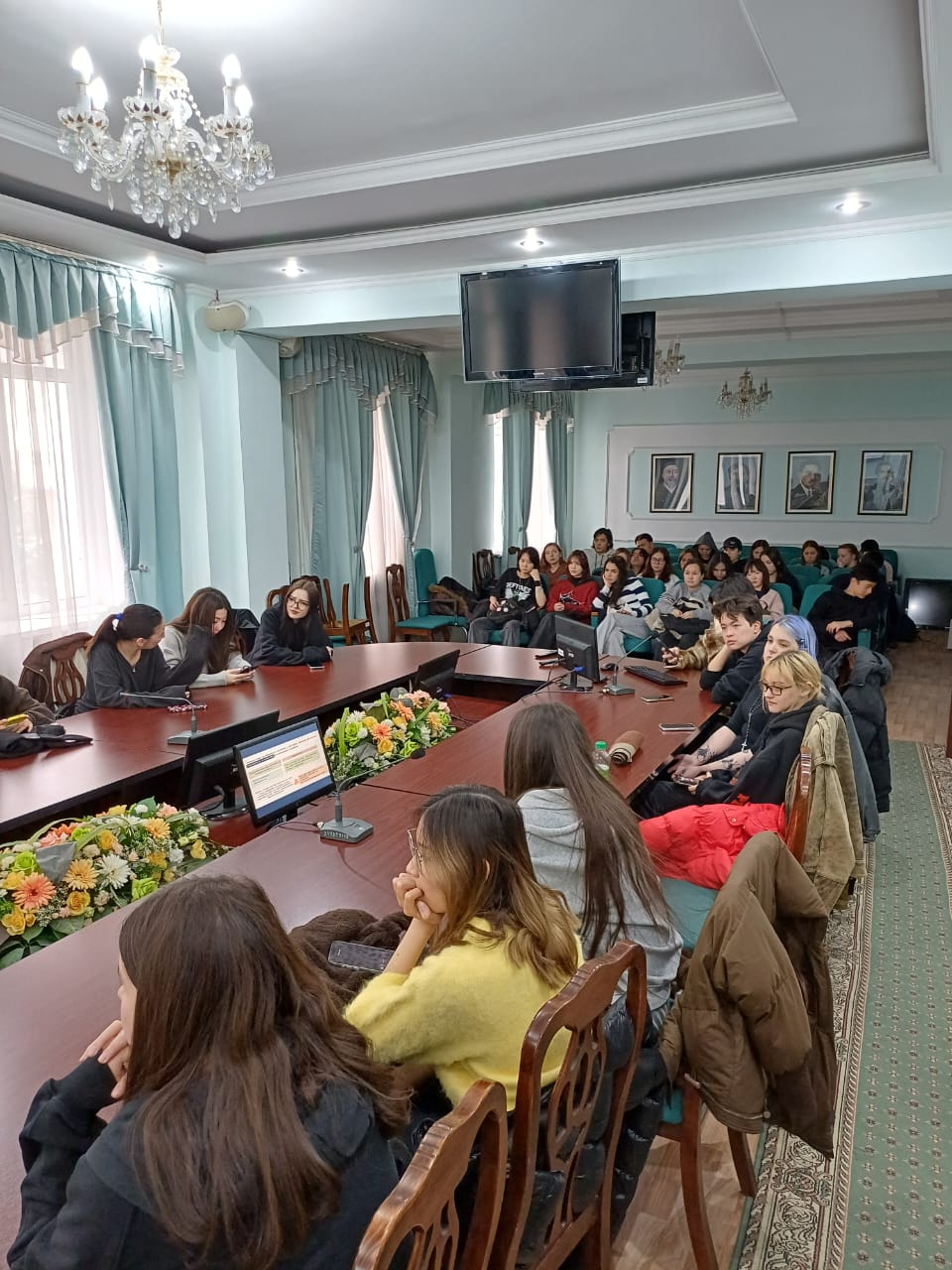
Throughout the meeting, the psychologist provided practical examples from her counseling experience and discussed typical life situations faced by young people. Students were presented with examples illustrating the gradual transition from excessive care and control to emotional pressure, including restricting communication with friends, checking private messages, constant demands for reporting one’s whereabouts, devaluing a partner’s personality, and manipulation through guilt. A separate discussion addressed the common misconception of perceiving jealousy as a sign of love and its potentially harmful consequences.
The students demonstrated strong interest in the topic and actively engaged in the discussion. They asked questions about how to distinguish care from control, what signs indicate the onset of psychological abuse, why it can be difficult to leave toxic relationships, how to support a friend in such a situation, and where to seek professional help. Many participants noted that they had not previously considered that certain behaviors perceived as normal could in fact be signs of destructive relationships.
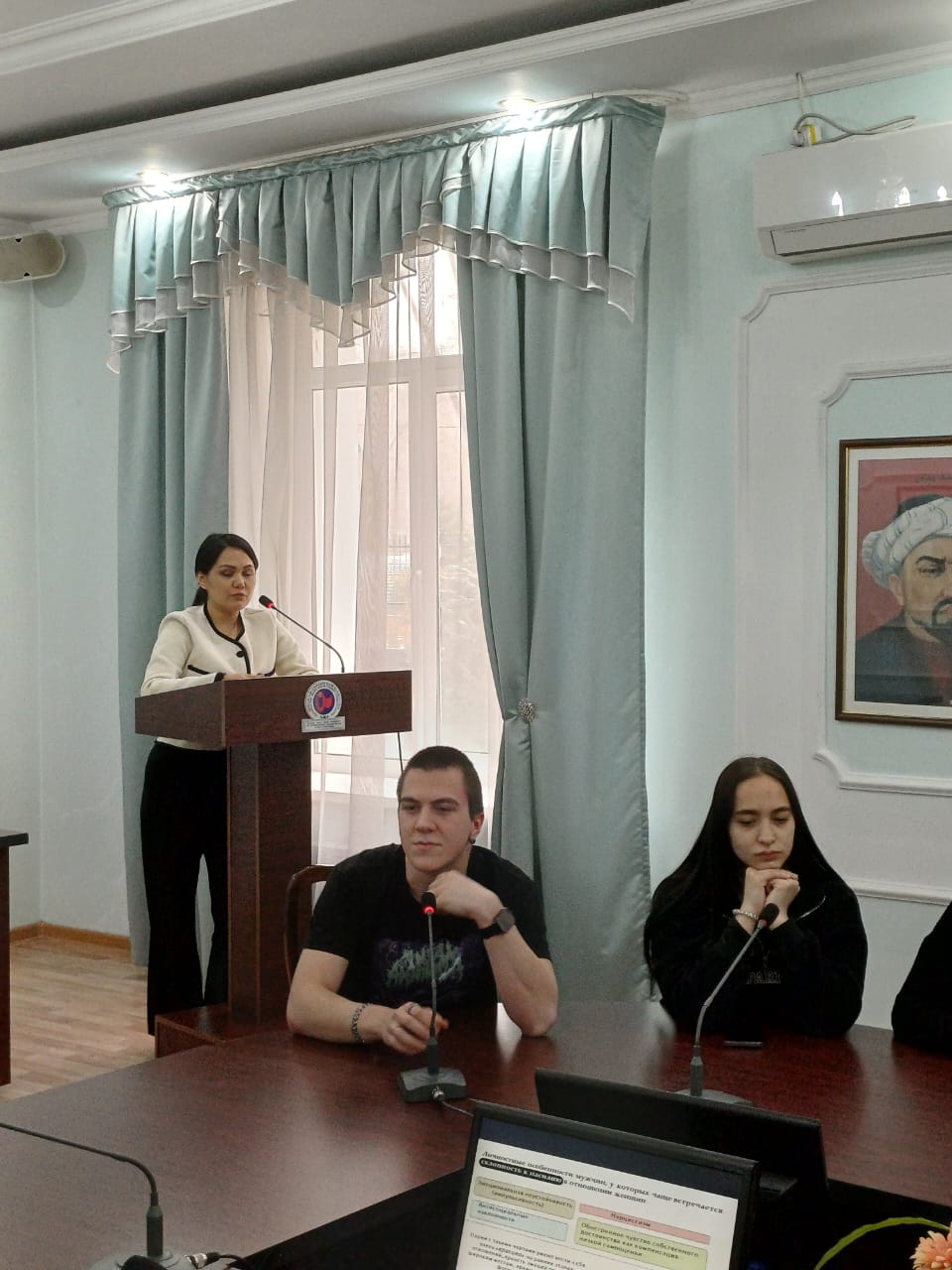
The discussion showed that students are aware of the relevance of the issue and express a clear negative attitude toward any form of violence in interpersonal relationships. Participants emphasized the importance of respecting personal boundaries, ensuring emotional safety, and maintaining mutual responsibility between partners. Some students shared personal observations and real-life examples, which contributed to a more open and trusting atmosphere during the meeting.
To ensure more effective communication and engagement, the psychologist employed interactive methods, including case study analysis, situational tasks, group discussions, and a question-and-answer format. This approach allowed participants not only to gain theoretical knowledge but also to relate the topic to real-life situations, develop skills for recognizing warning signs, and better understand their own psychological boundaries.
The meeting was conducted in the format of an open dialogue: students actively expressed their opinions, shared observations, and asked questions. During the discussion, participants concluded that any form of violence in interpersonal relationships is unacceptable and highlighted the importance of consciously establishing boundaries, mutual respect, and responsibility.
The event contributed to increasing students’ legal and psychological awareness and fostering zero tolerance toward violent forms of behavior.
.png)